Commercial Food Photography for Liverpool Experience Campus
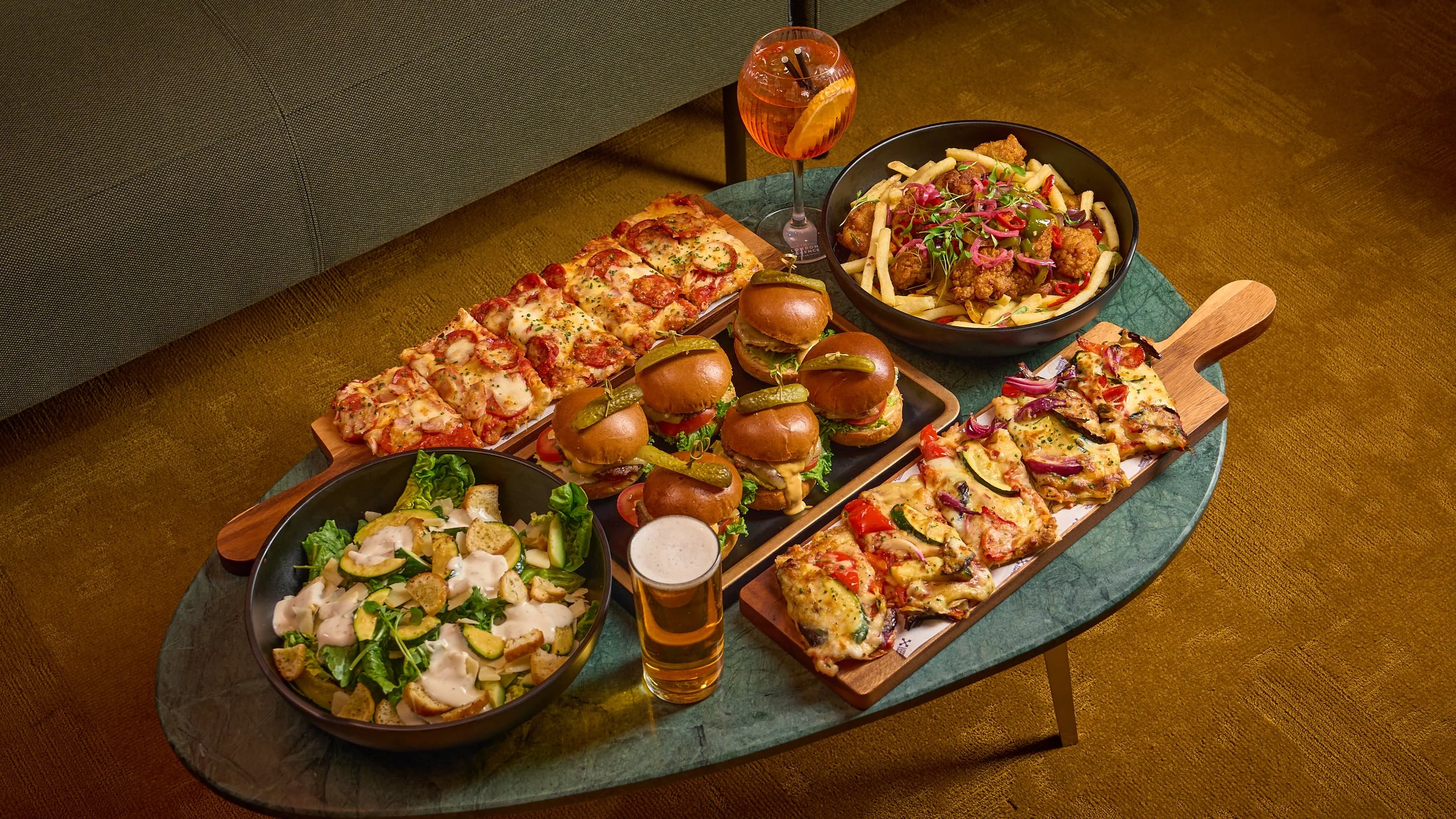
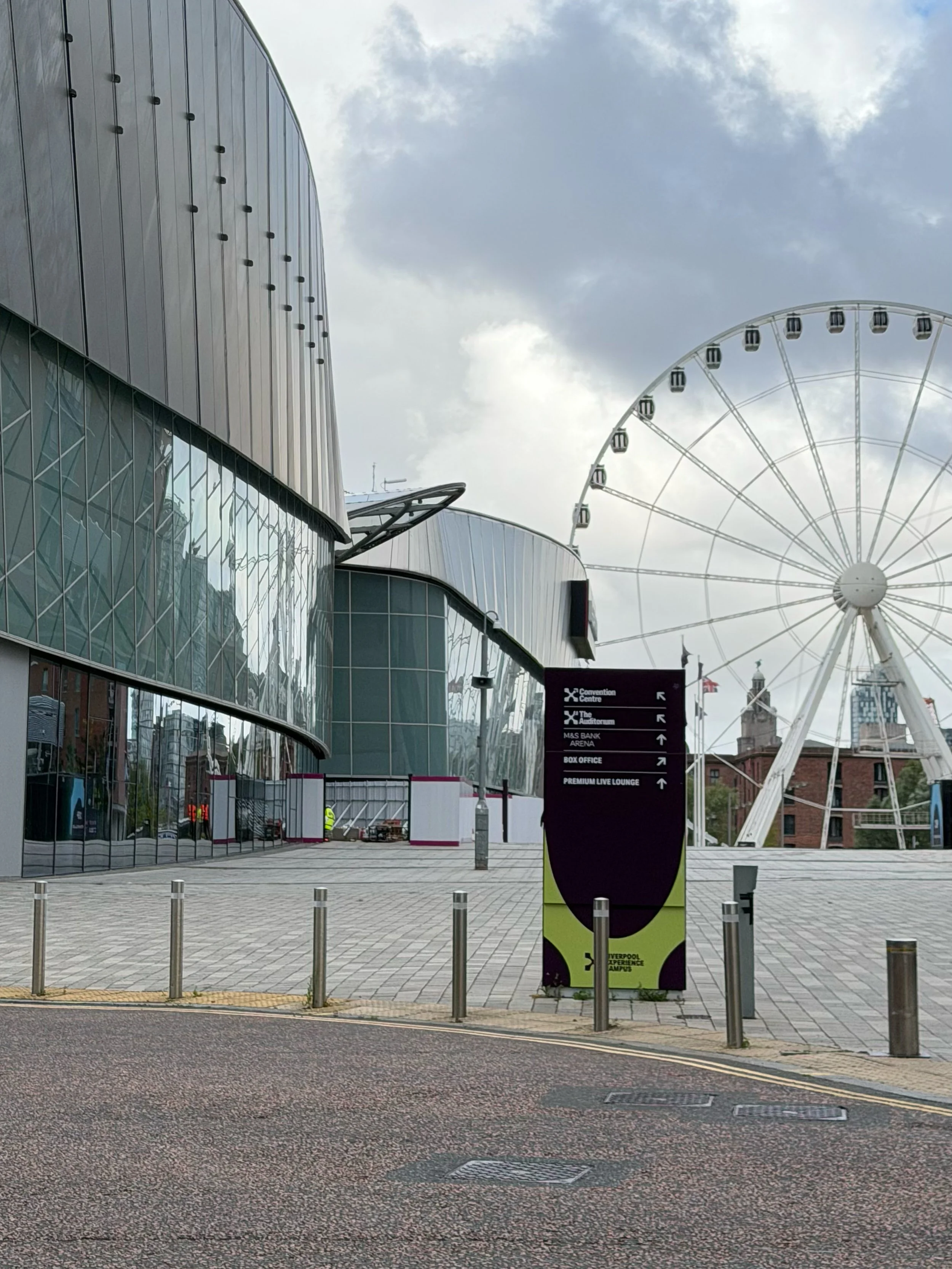
I was recently commissioned by Liverpool Experience Campus to create a new collection of commercial food photography for the M&S Bank Arena in Liverpool. The brief covered two days of photography, with around 15 dishes per day, including food from the arena kiosks and the premium hospitality offering. The finished images were required across menus, venue screens, social media, digital channels and wider promotional material.
It was exactly the type of commercial photography project I enjoy working on — not simply turning up with a camera, but being involved in shaping how the shoot would work and helping the team get the most from it.
A new chapter for the food and beverage team
Liverpool Experience Campus had recently brought the food and beverage operation at the arena in-house. The team were very open with me from the beginning that this was new territory for them. They knew the standard of imagery they wanted to achieve, but they were also honest that they would need some guidance around how a commercial food photography shoot should be planned and organised.
For me, that was a positive rather than a problem.
A large part of commercial photography is being able to work with a client to turn an initial idea or brief into something practical. Not every marketing team commissions photography every week, and they shouldn’t need to know every technical or production detail before contacting a photographer.Part of my job is to help with that.
Asking the right questions before the shoot
One of the things the team mentioned when they decided to work with me was that I had responded to the brief differently. Rather than simply sending over a price, I highlighted some of the things we needed to establish before the shoot.
That included:
confirming the final number of dishes and required variations
agreeing the order in which the food would be prepared
establishing which backgrounds, crockery and props would be available
understanding whether the priority was clean menu photography, more editorial imagery, or a mixture of both
making sure someone from the team was available to approve presentation and styling during the shoot
arranging a recce of the space before the photography days
Those questions might sound fairly simple, but they can make a huge difference to how smoothly a commercial shoot runs. If thirty dishes need to be photographed across two days, the photography itself is only one part of the process. Food preparation, styling, approvals, timing and consistency all need to work together.
Choosing the right photographer was about more than price
The team also told me that my existing body of work felt like the right fit for what they wanted to achieve. That was particularly good to hear because they originally found me through a Google search and contacted me directly through my website.
It is easy to think of a photography portfolio as simply somewhere to show your best images, but for a commercial client it does something much more important. It helps them understand your style, the type of businesses you already work with and whether they can trust you with their own brand.
In this case, the combination of the work already on my website and the way I approached the brief gave the team confidence that I could not only produce the photography, but also help them through the process.
Building the shoot around the client
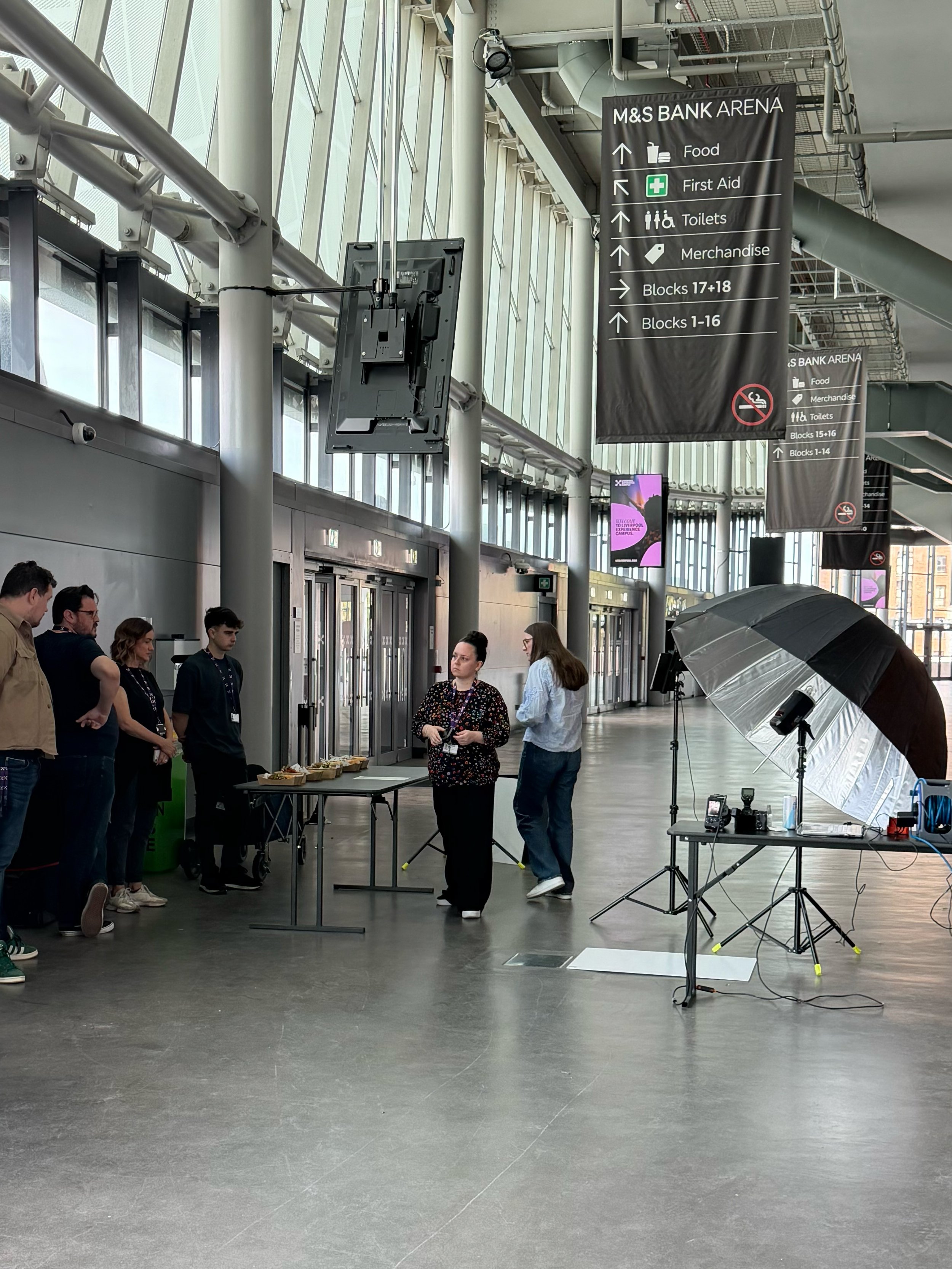
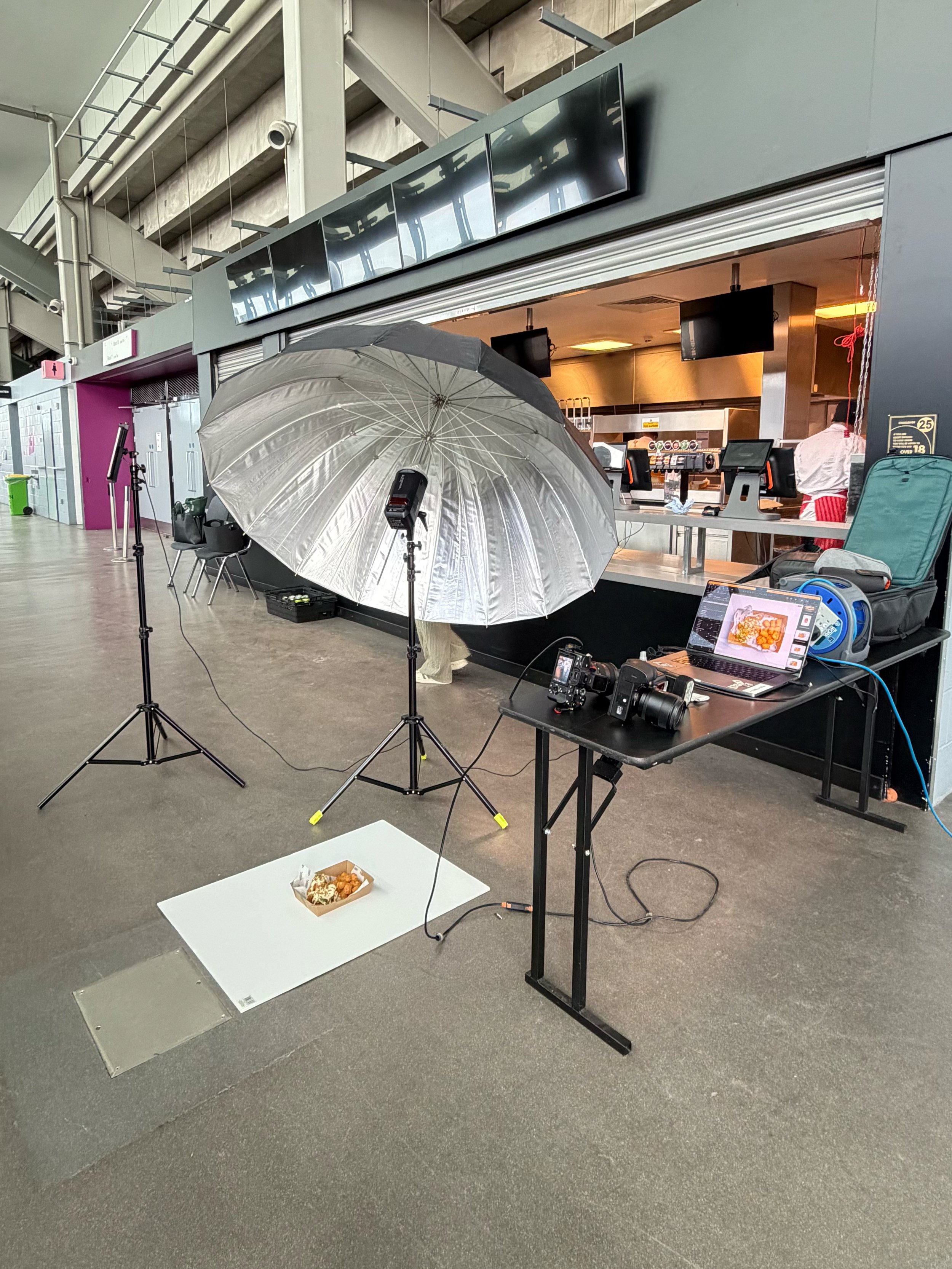
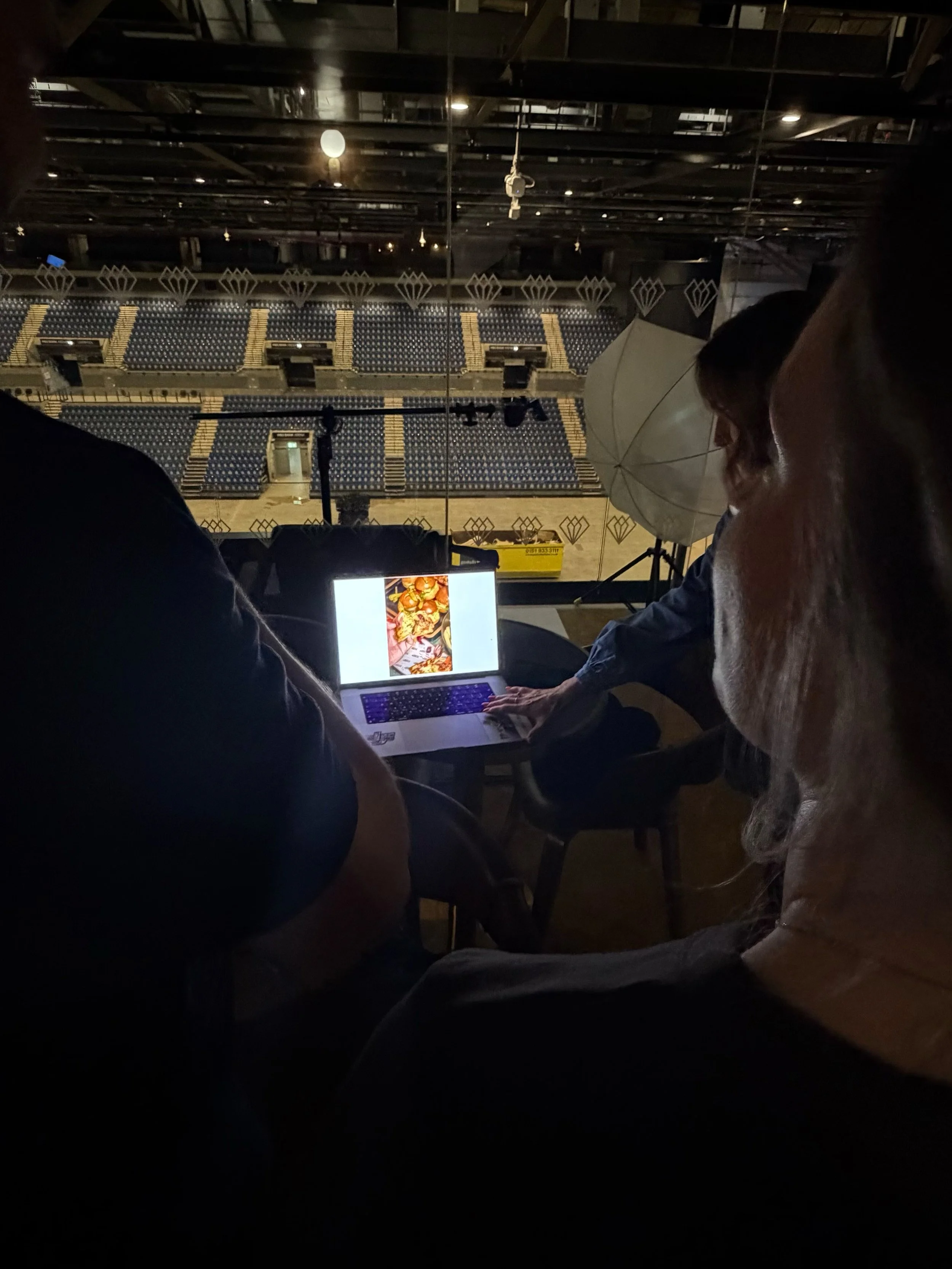
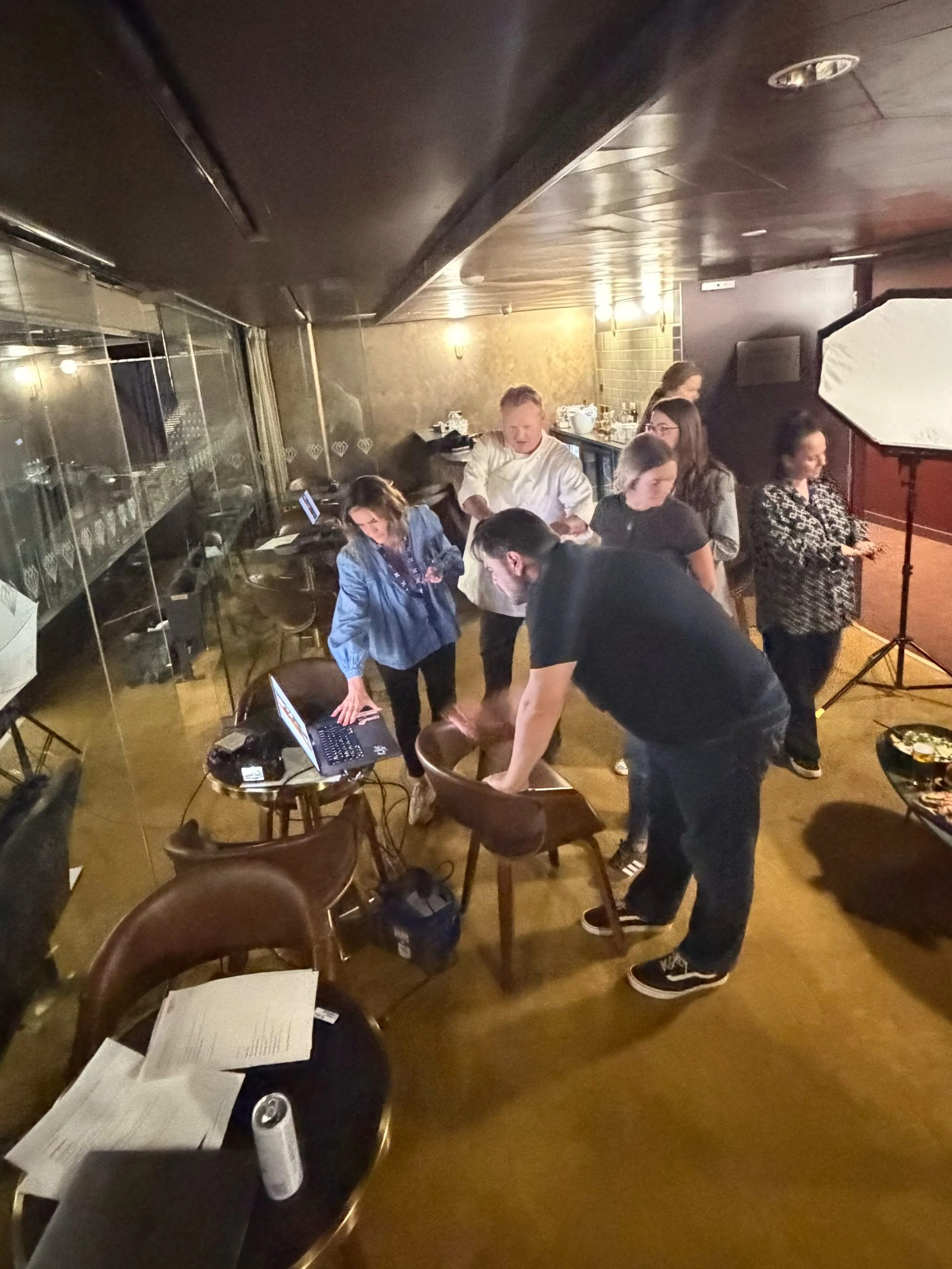
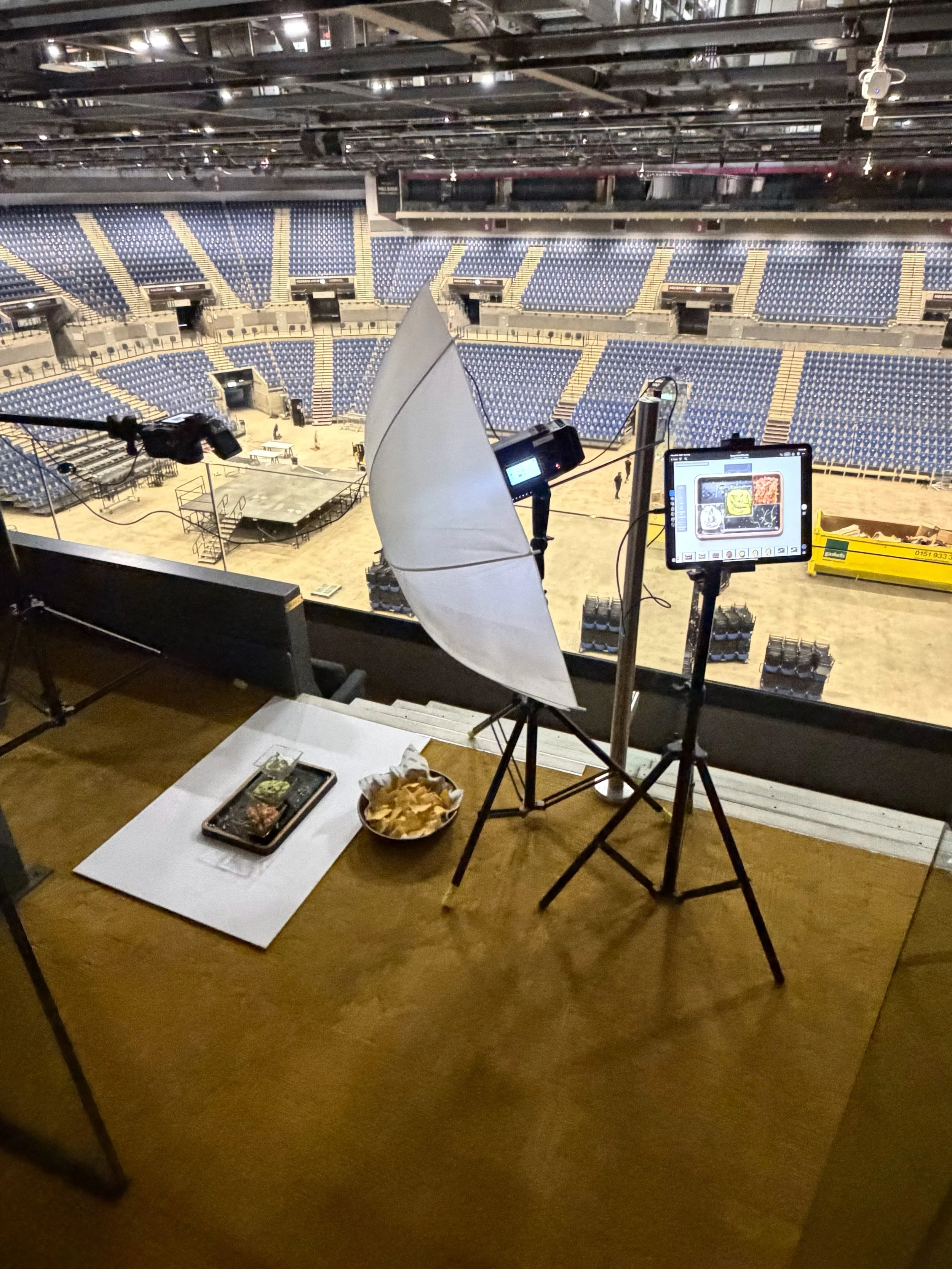
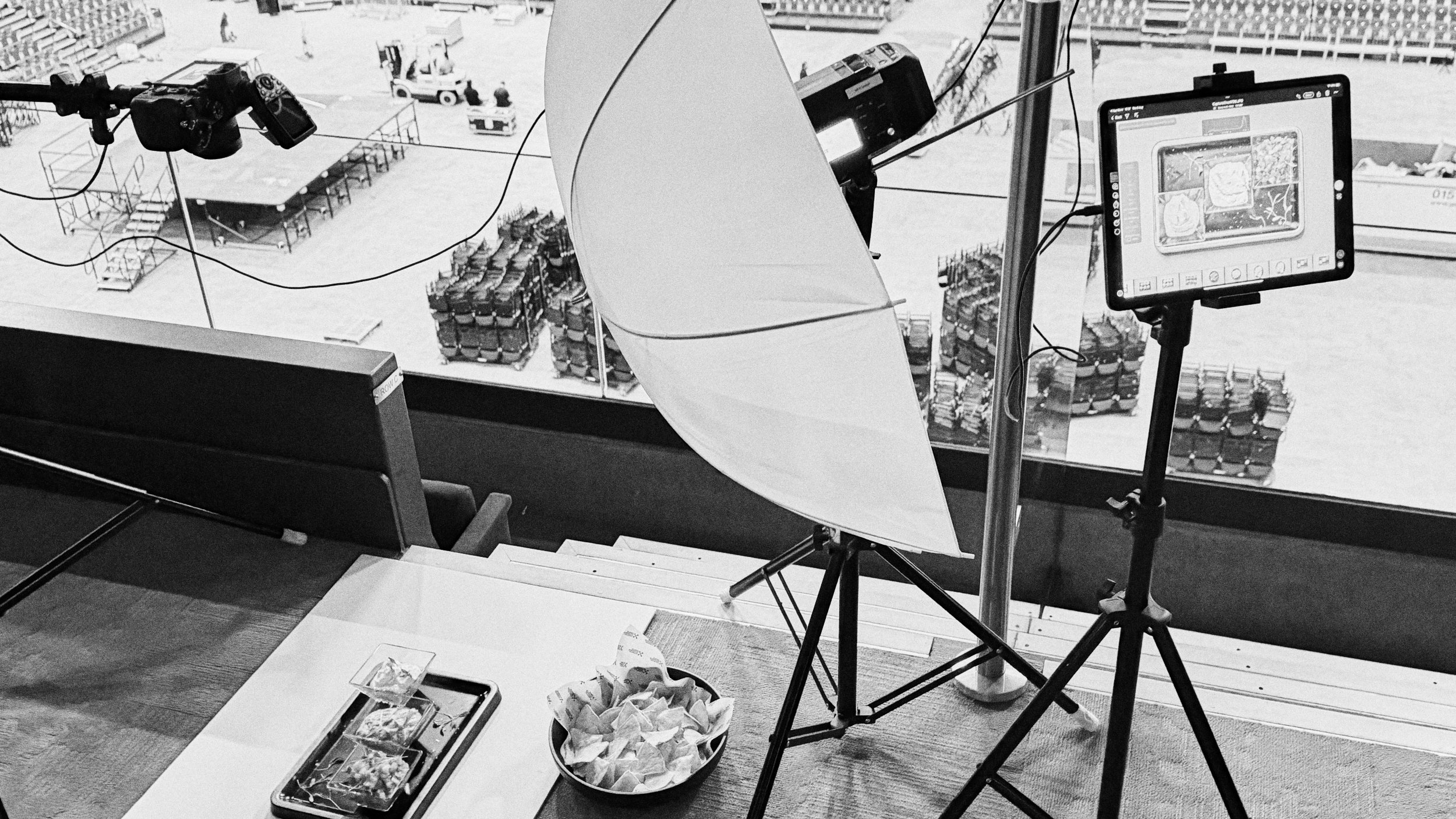
Before the photography days, we arranged a recce at the M&S Bank Arena. An arena super suite was being used as our temporary photography studio, which gave us a controlled environment for lighting while keeping us close to the kitchens.
The recce allowed us to look at the available space, work out where the lighting and photography setup would go and talk through how dishes would move between the kitchen and the set. This kind of preparation becomes particularly important when a lot of content needs to be produced in a relatively short period.
The more questions we can answer beforehand, the more time we can spend actually creating the images on the day.
Guiding the process during the shoot
Because the team were new to commissioning this type of photography, collaboration was a big part of the job. That meant helping make decisions around presentation, camera angles, backgrounds and which dishes would benefit from slightly different treatment.
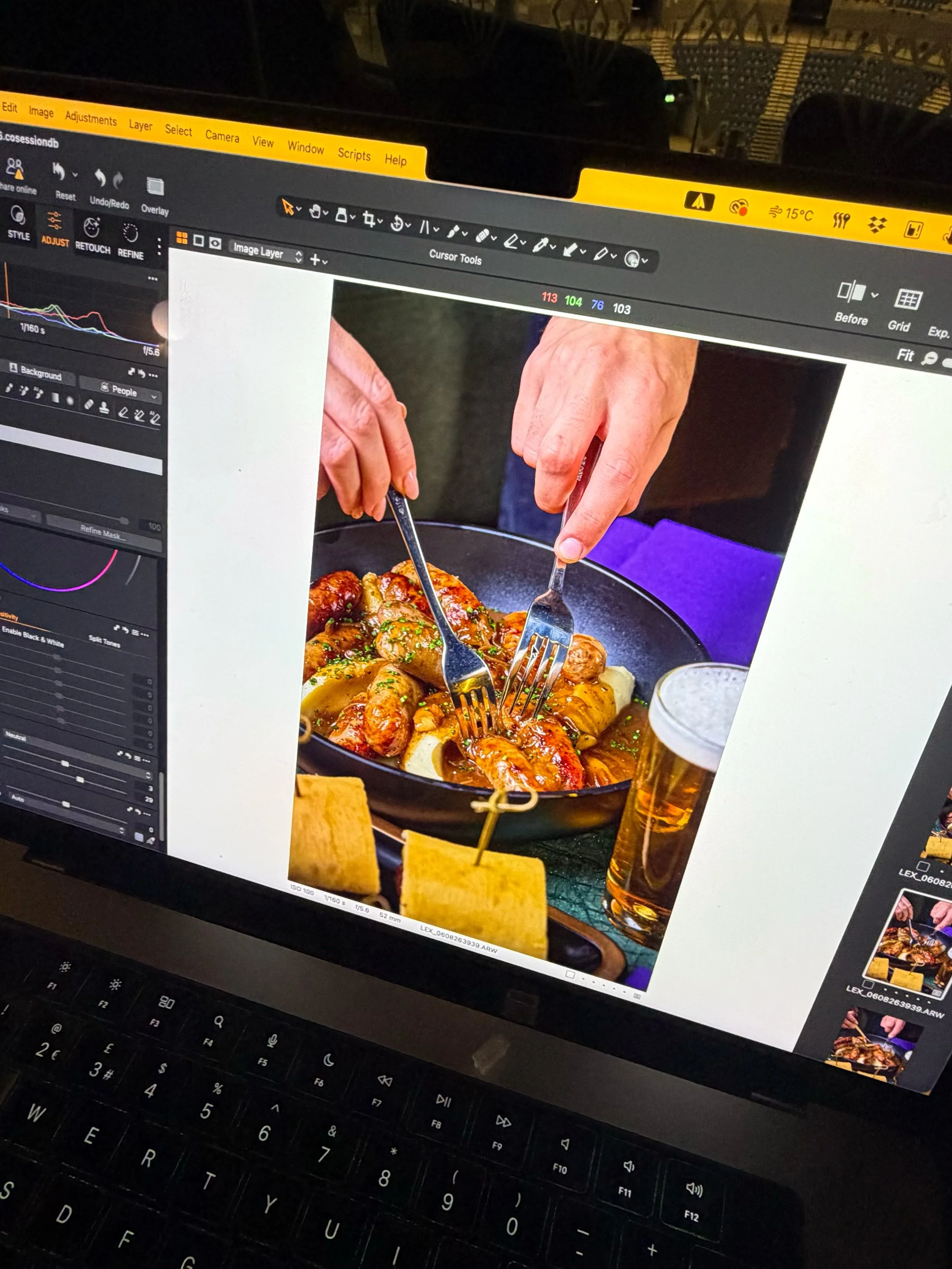
The aim was never to impose a particular photography style on the client. It was to understand what they needed the images to do and then use my experience to help get them there. Some dishes required straightforward, consistent photography that could work clearly on menus and digital screens.
Others gave us the opportunity to create stronger, more editorial imagery that could be used for wider marketing and promotional content. Having both gave the team a much more useful image library.
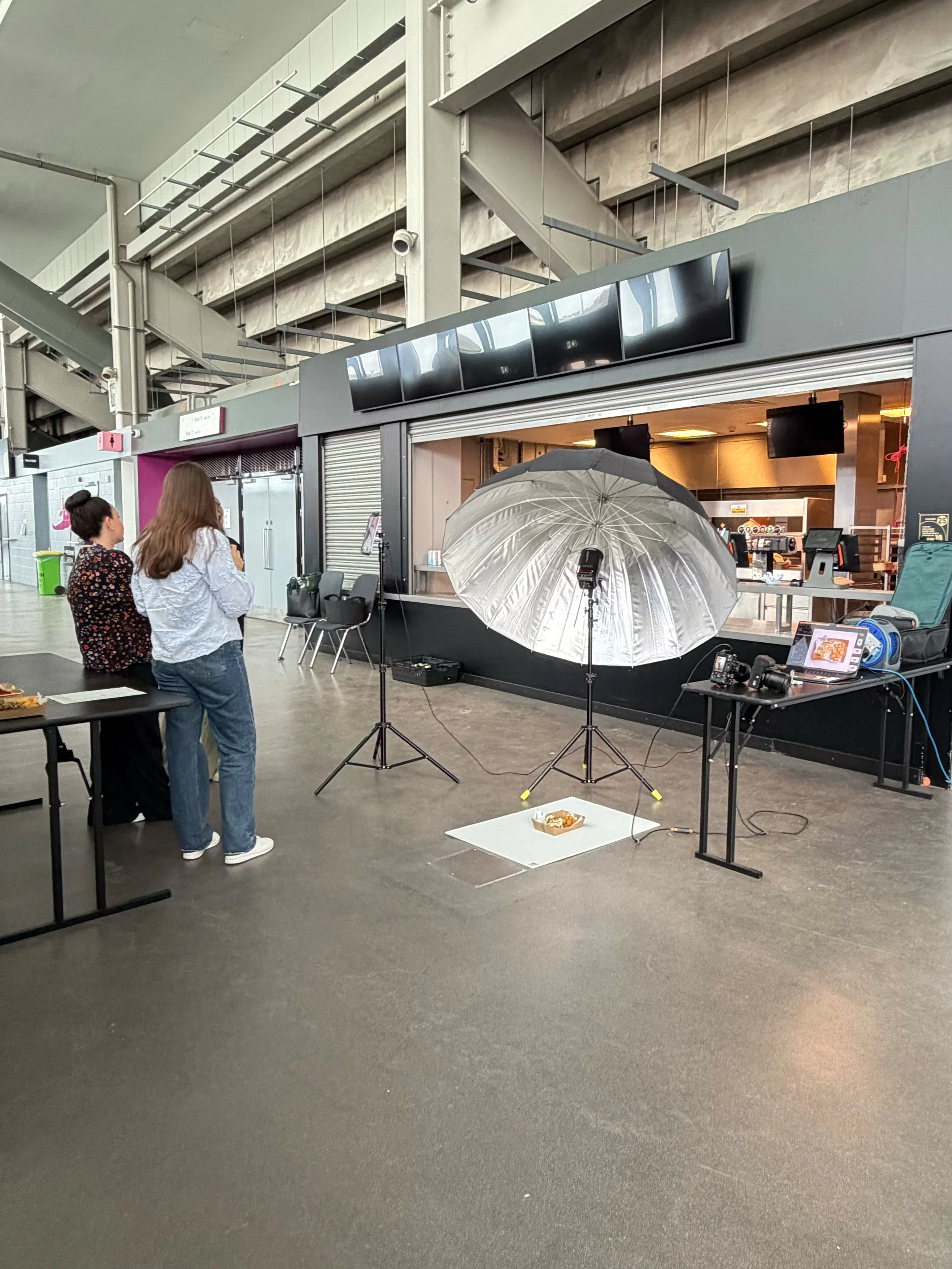
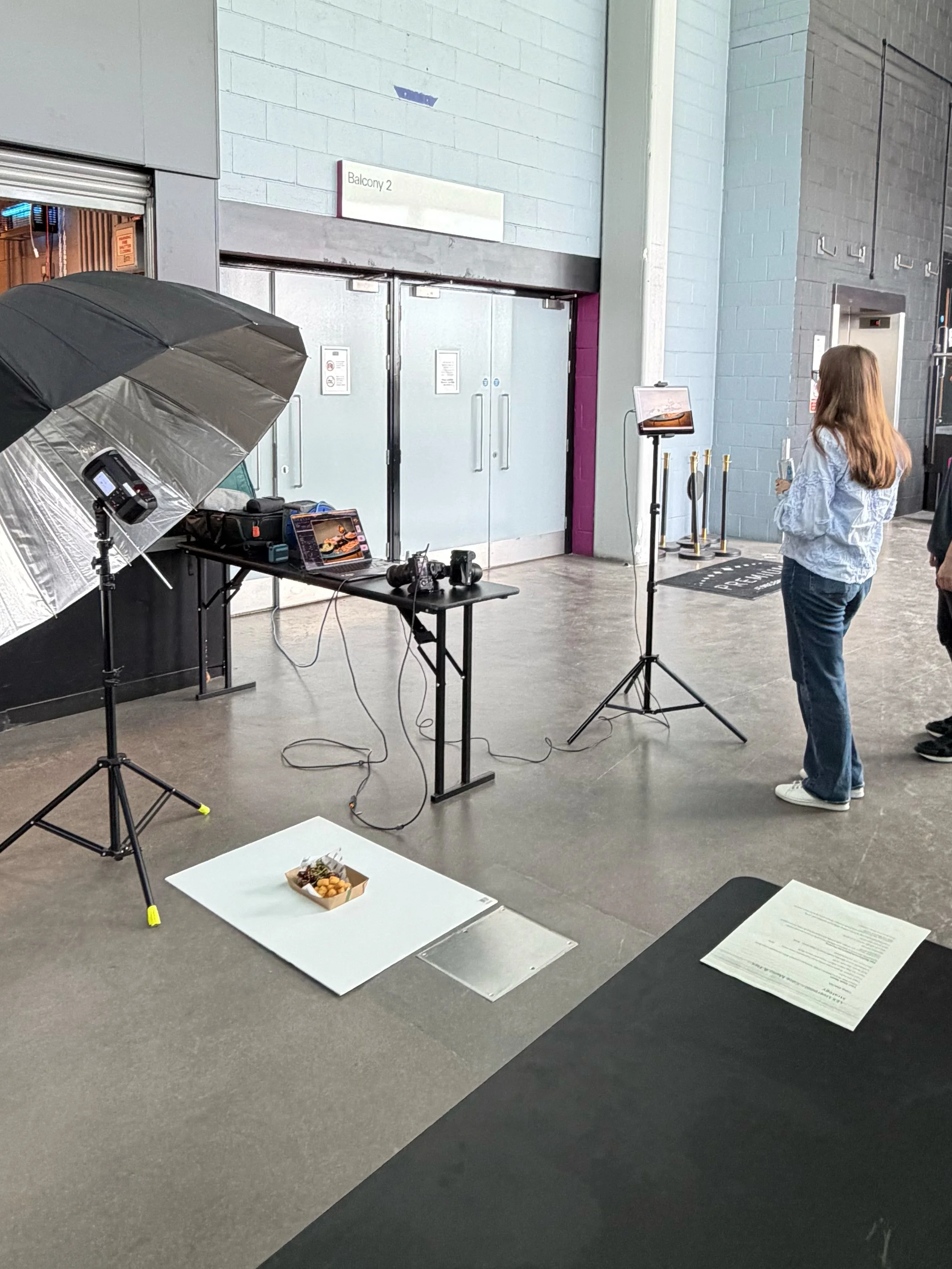
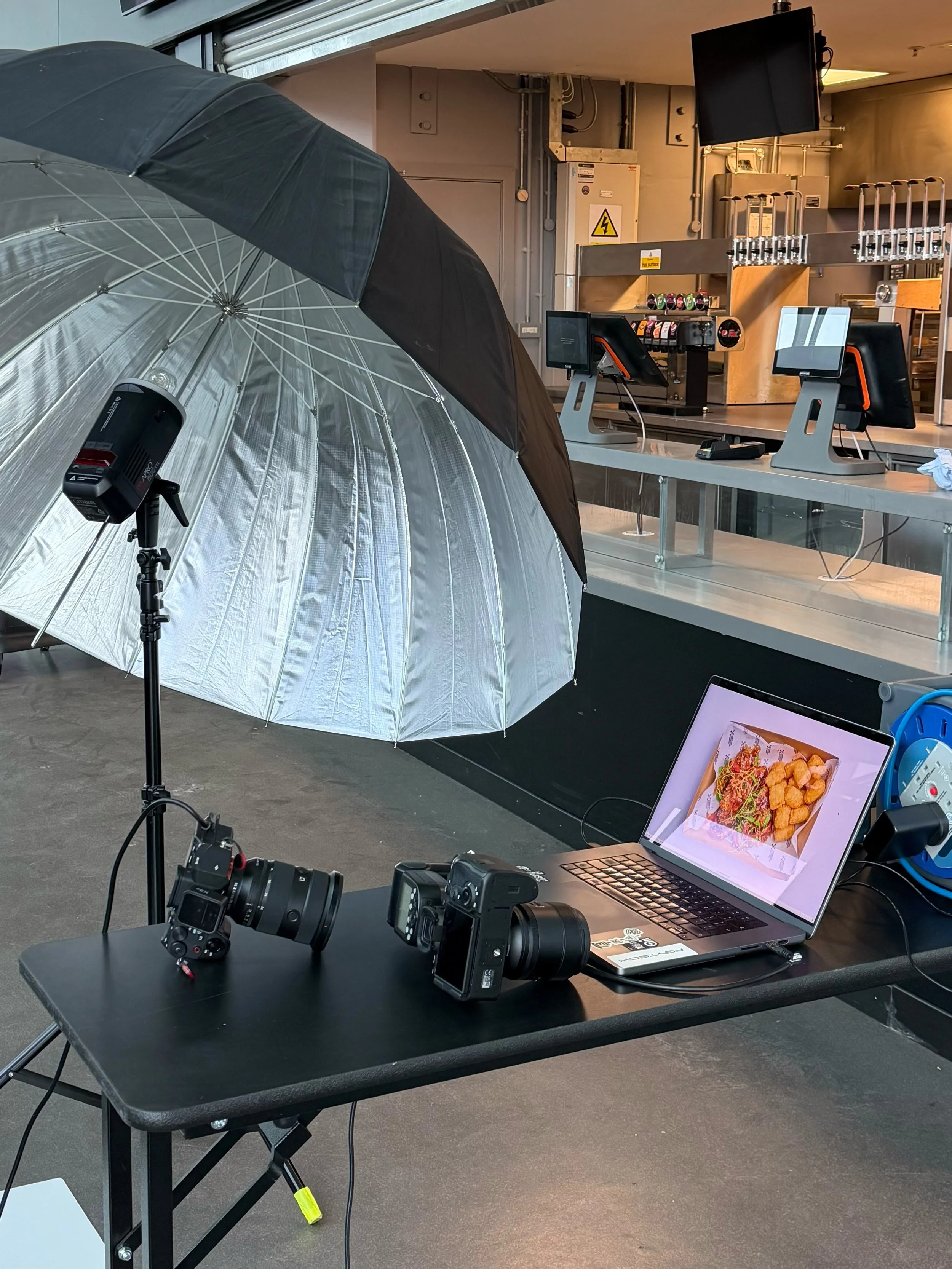
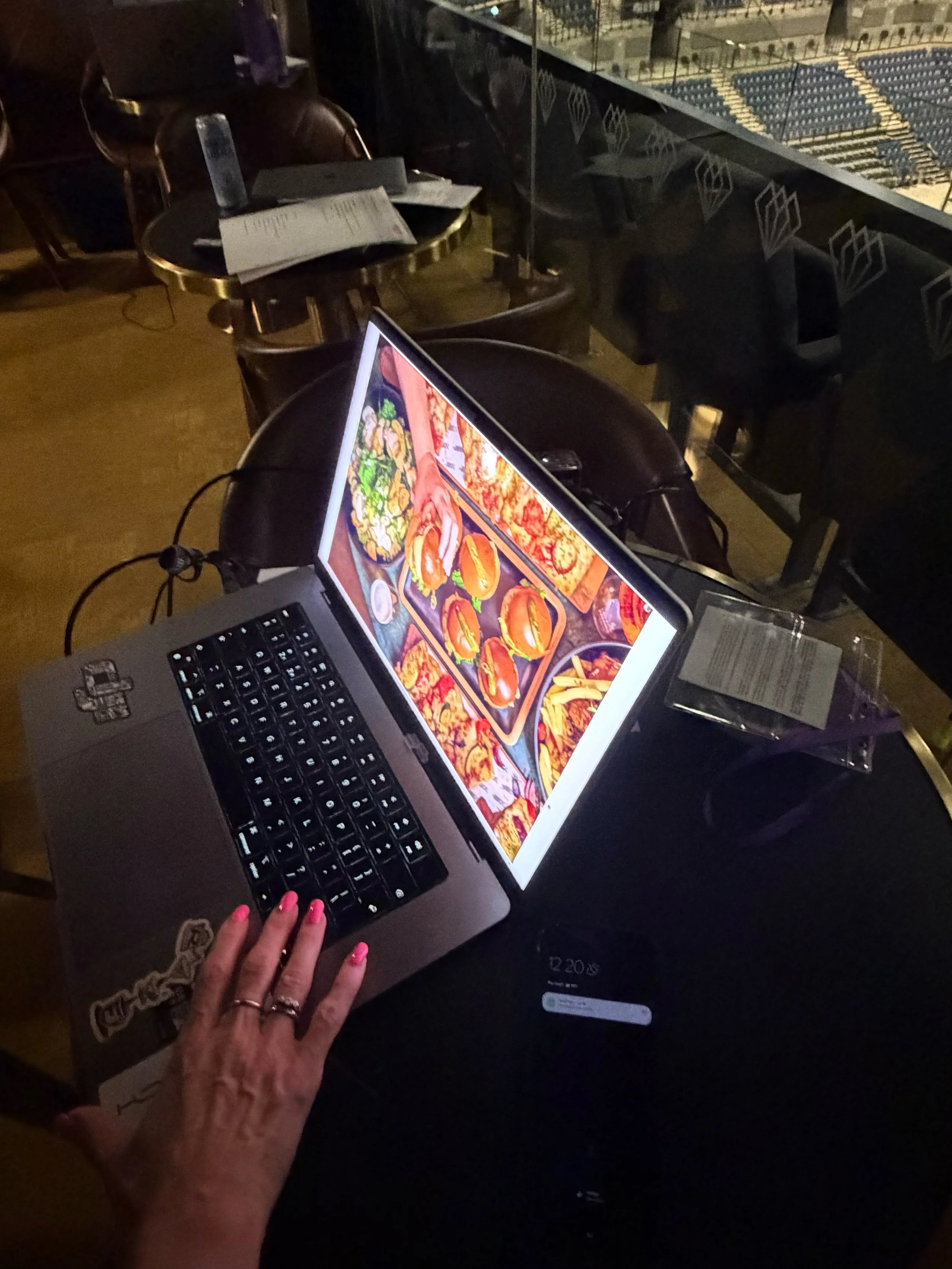
Creating images for multiple platforms
One of the biggest considerations with commercial photography is how the images will eventually be used. These photographs weren't being created for one single advert.
They needed to work across:
arena menus
venue screens
social media
websites and digital channels
external communications
premium hospitality marketing
wider promotional material
That means thinking beyond one hero shot. Throughout the shoot I was looking at composition, orientation, negative space and crop options so the same set of images could work across different formats. A photograph that works perfectly on a large horizontal venue screen may need to be approached differently from something intended for Instagram or a printed menu. Creating that flexibility during the shoot gives the client much more value afterwards.
Keeping the food authentic
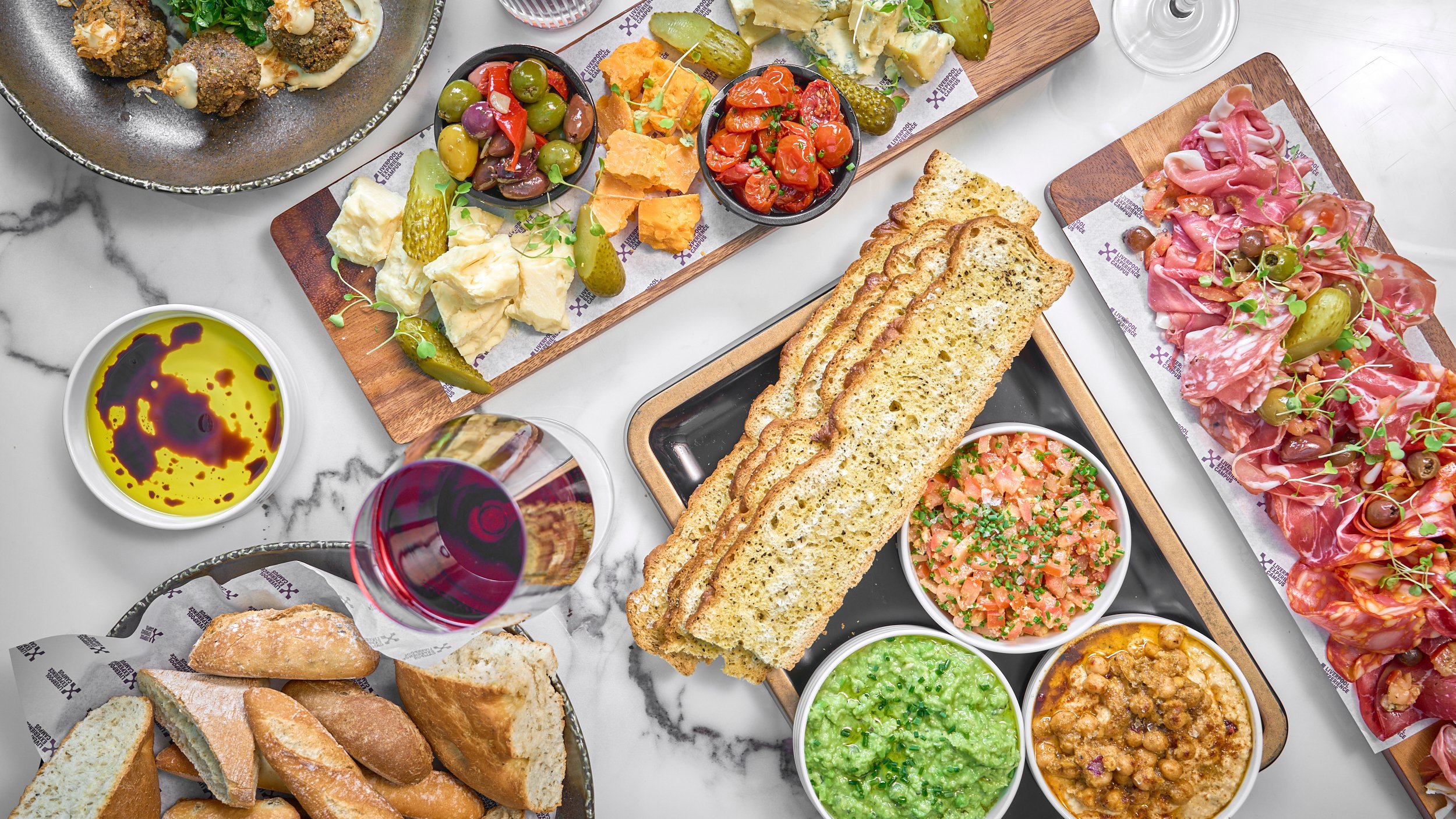
The goal was to show the food at its best while keeping it representative of what customers and hospitality guests would actually receive. Food photography can easily become overly styled. For this project, we wanted the dishes to look polished, appetising and considered without losing their authenticity.
Small changes to plating, position, lighting and camera angle can make a big difference without completely transforming the product. Consistency was also important. With a large number of dishes being photographed, the full collection needed to feel like one body of work rather than thirty unrelated images.
Commercial photography is often about problem solving
This project is a good example of why I see commercial photography as more than simply producing technically good photographs. A client may arrive with a very detailed creative direction. Another may know exactly what they need the images for, but need help determining the best way to create them.
Both are completely normal. The photographer needs to be able to adapt to that. For me, the best commercial projects are collaborative. The client brings their understanding of the business and the audience, while I bring the photography and production experience needed to translate that into images.
Commercial food photography in Liverpool
I work with businesses, venues, agencies and organisations across Liverpool and throughout the UK, creating photography for commercial use.
That includes food and hospitality photography, corporate events, professional headshots, workplace photography, commercial interiors and wider brand campaigns. Whether a client already has a complete shot list or simply knows that they need a stronger set of commercial images, I can help plan the photography around how those images actually need to be used.
Planning a food, hospitality or commercial photography shoot? Send over the brief, location and intended use of the images and I can help shape the shoot from there.