How to Prepare for a Corporate Photography Shoot
A corporate photography shoot does not need to start with a perfectly written brief. In fact, many of the businesses I work with know they need better imagery, but are not completely sure what they need photographing, how long the shoot should take or how the day should be structured.
That is completely normal. Part of my job as a commercial photographer is helping turn the initial idea into a practical shoot. The more we can establish before the day, the smoother the photography will be and the more useful the finished images will become.

Start with what the photographs need to do
Before thinking about cameras, locations or shot lists, the most useful question is usually:
What do you need the images for?
A business may need photography for:
a new website
social media
LinkedIn
internal communications
PR
brochures
advertising
recruitment
presentations
press releases
annual reports
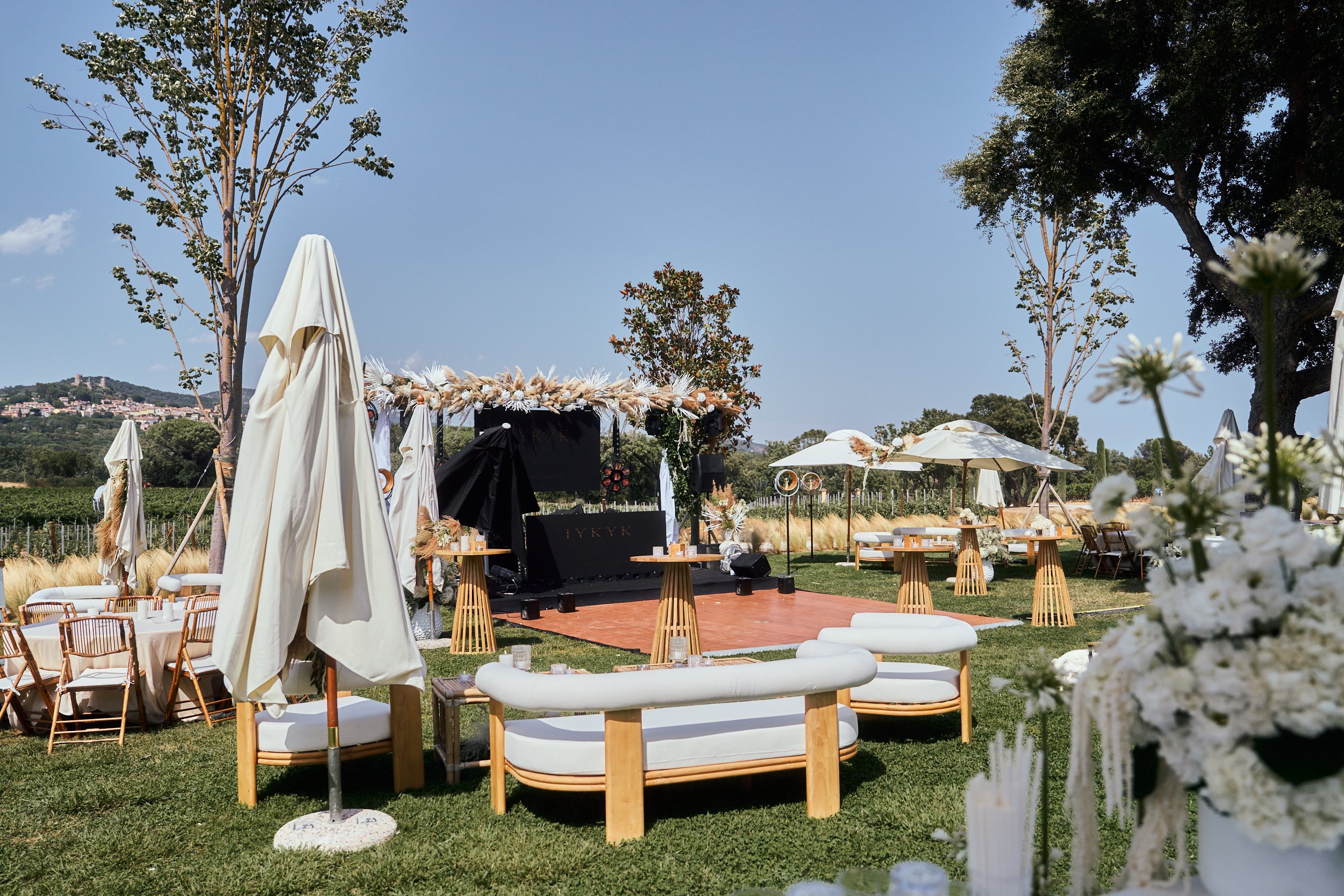
event promotion
The intended use has a big influence on the way I approach the shoot.A photograph designed for a website banner may need plenty of negative space for text.
An image for LinkedIn may work better vertically. PR photography may need to feel more natural and editorial. A leadership portrait may need to work across press, company reports and speaking engagements. Understanding the purpose of the photography at the beginning helps make sure the shoot creates the right kind of content rather than simply producing a large gallery of images that all do the same job.
You do not need to arrive with a perfect brief
Some clients come to me with a detailed shot list, mood board and full schedule.
Others simply say:
“We need better photos of the business.”
Both are absolutely fine.
If the brief is still fairly open, I can help establish what is worth photographing and how to structure the day.
Usually, I will want to understand:
what the company does
who the audience is
where the photography will be used
which people or areas are most important
whether the business already has brand guidelines
the style of imagery you like
the location
the deadline
whether there are any practical restrictions on the day
From there, we can build a shoot that actually works for the business.

Build a realistic shot list
A shot list is useful, but it should not become a rigid checklist that stops the shoot feeling natural. I normally prefer a list of priorities rather than trying to prescribe every exact photograph in advance.
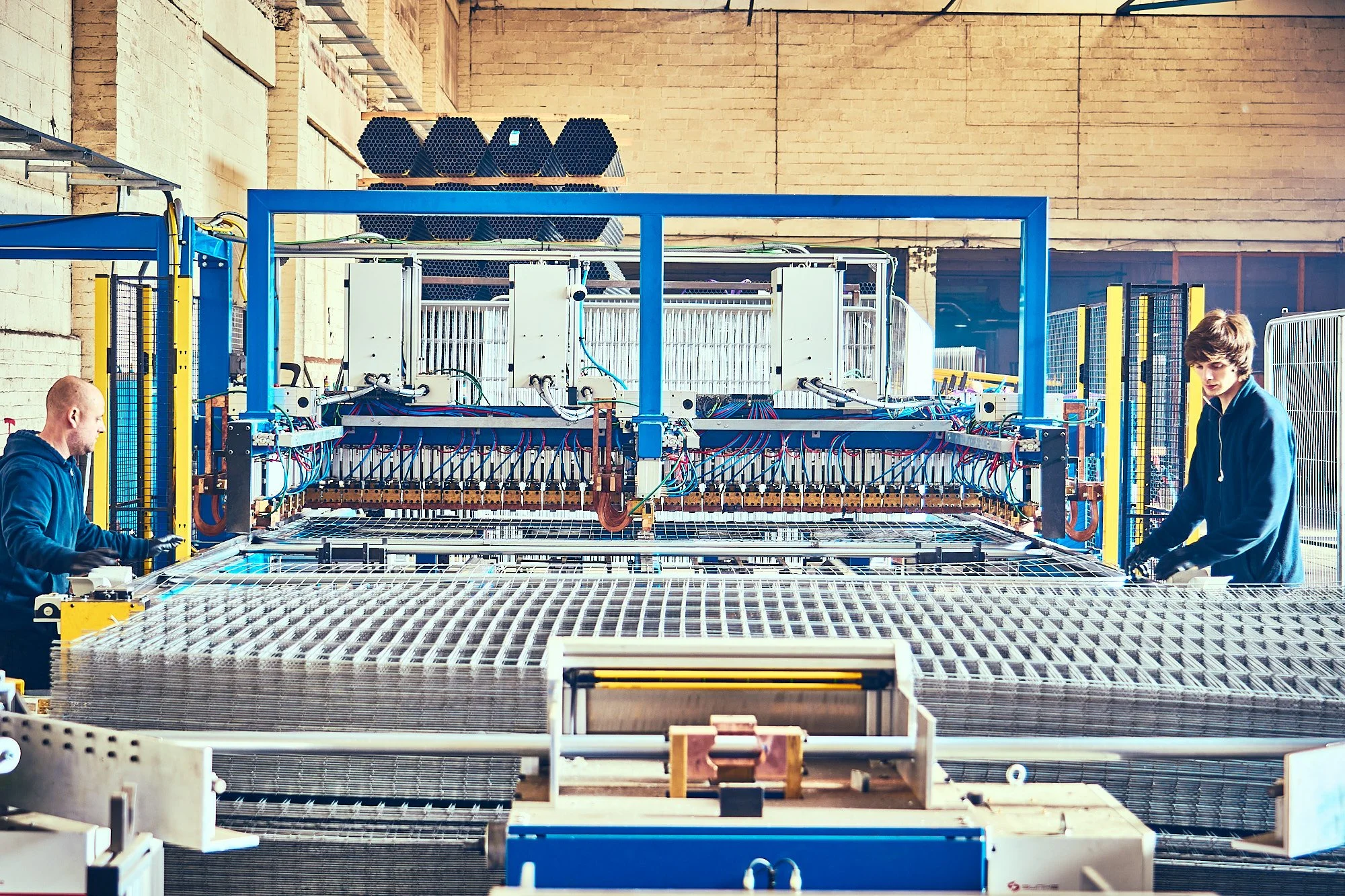
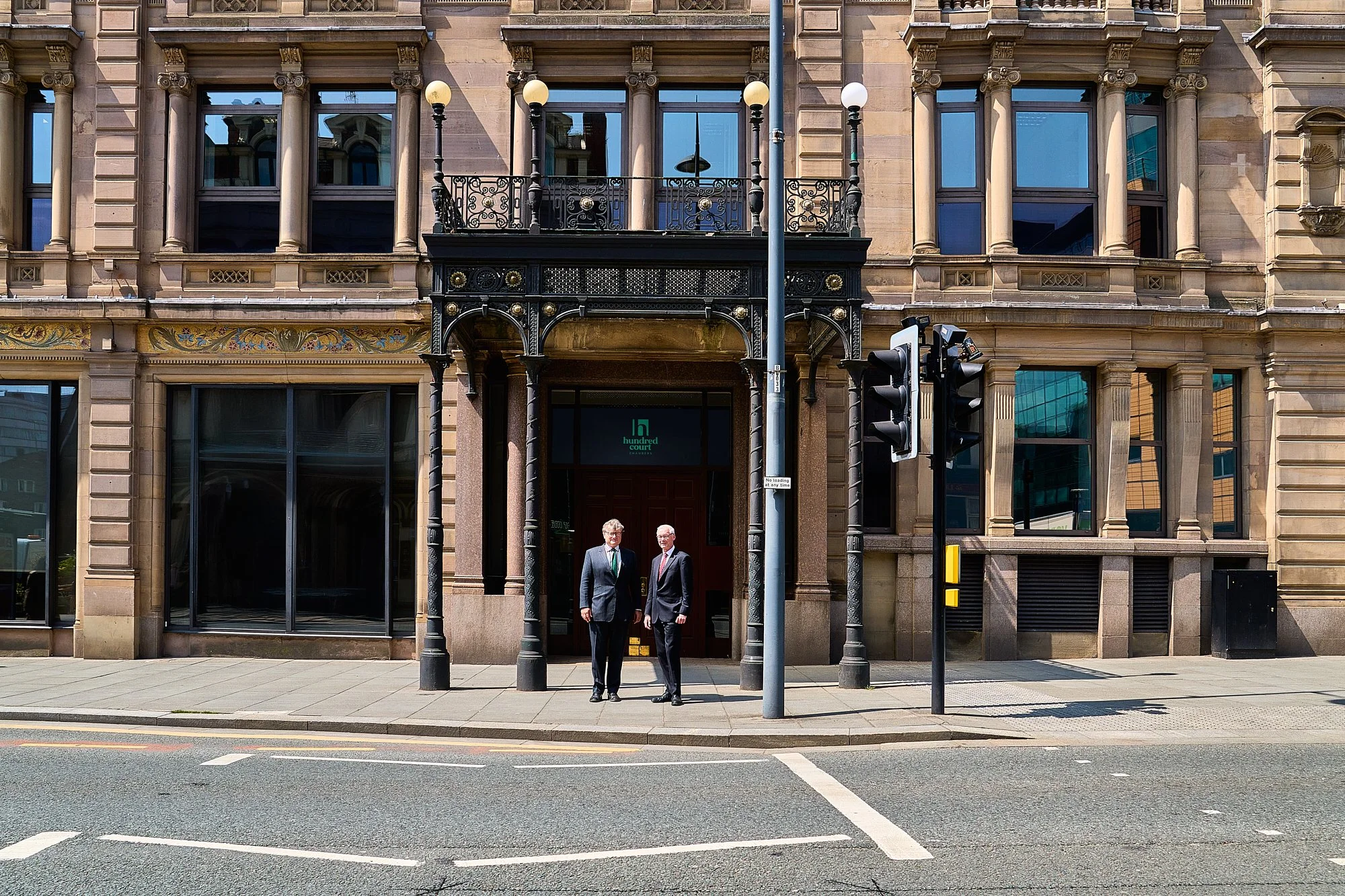
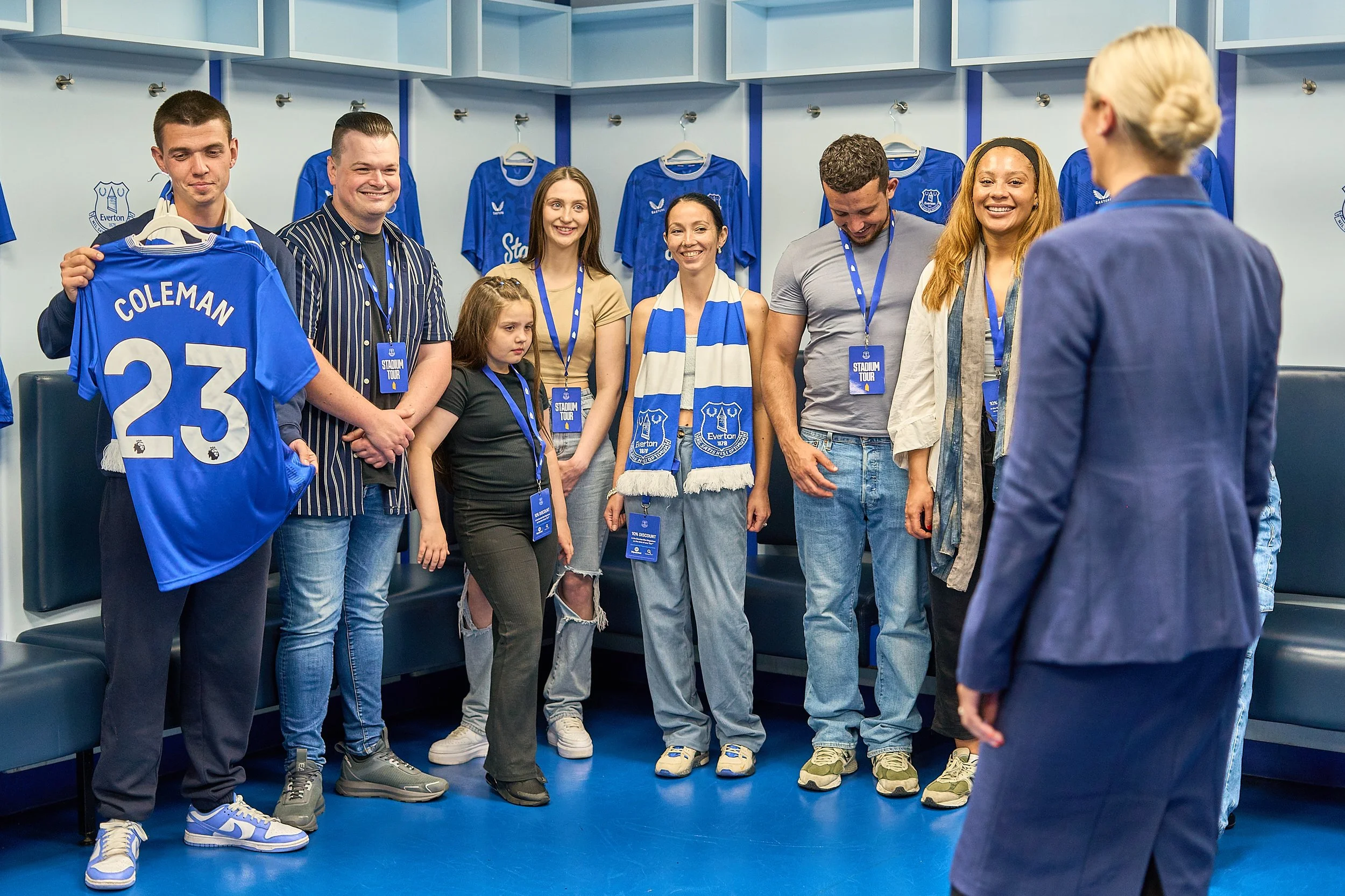
For example, a corporate shoot might include:
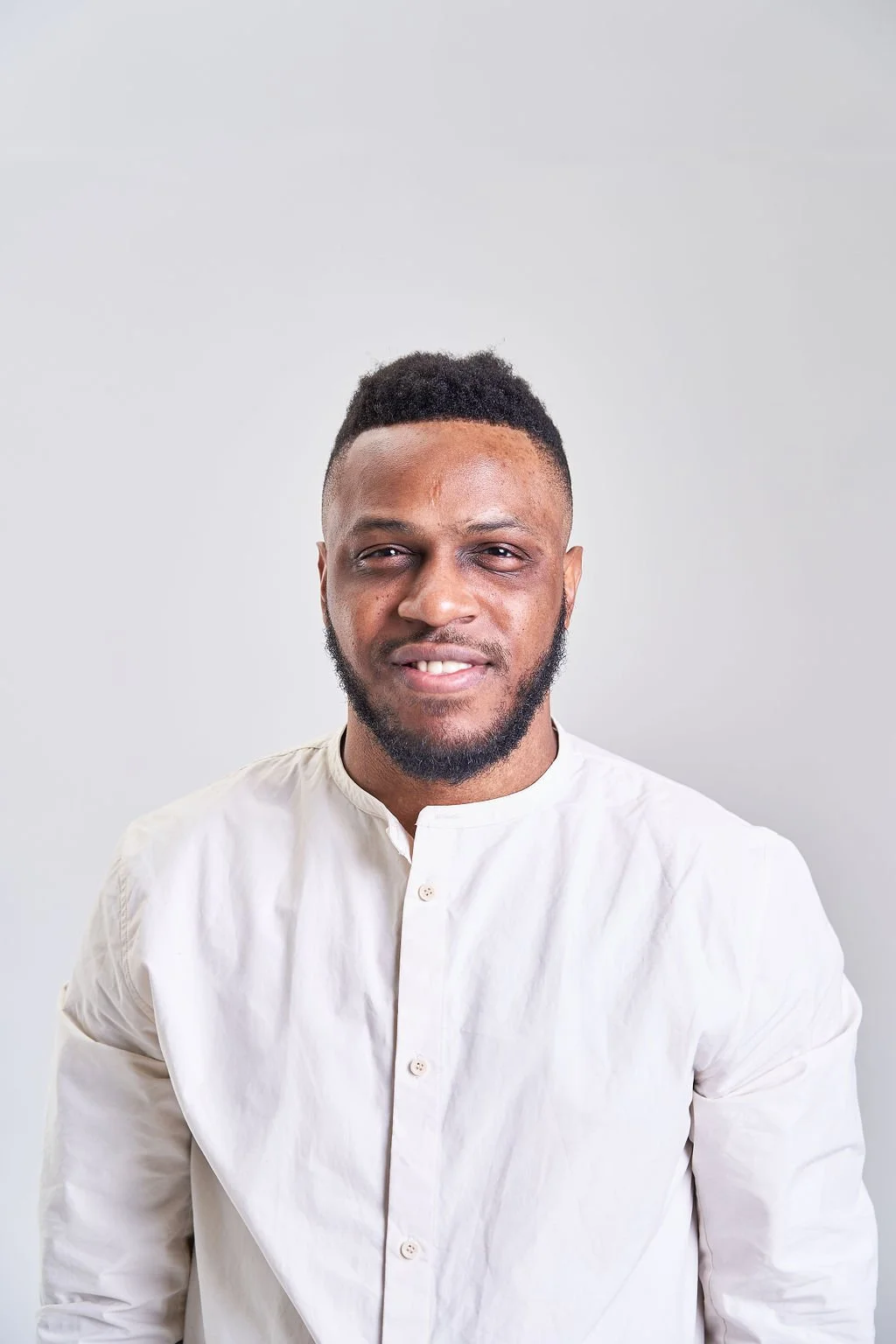
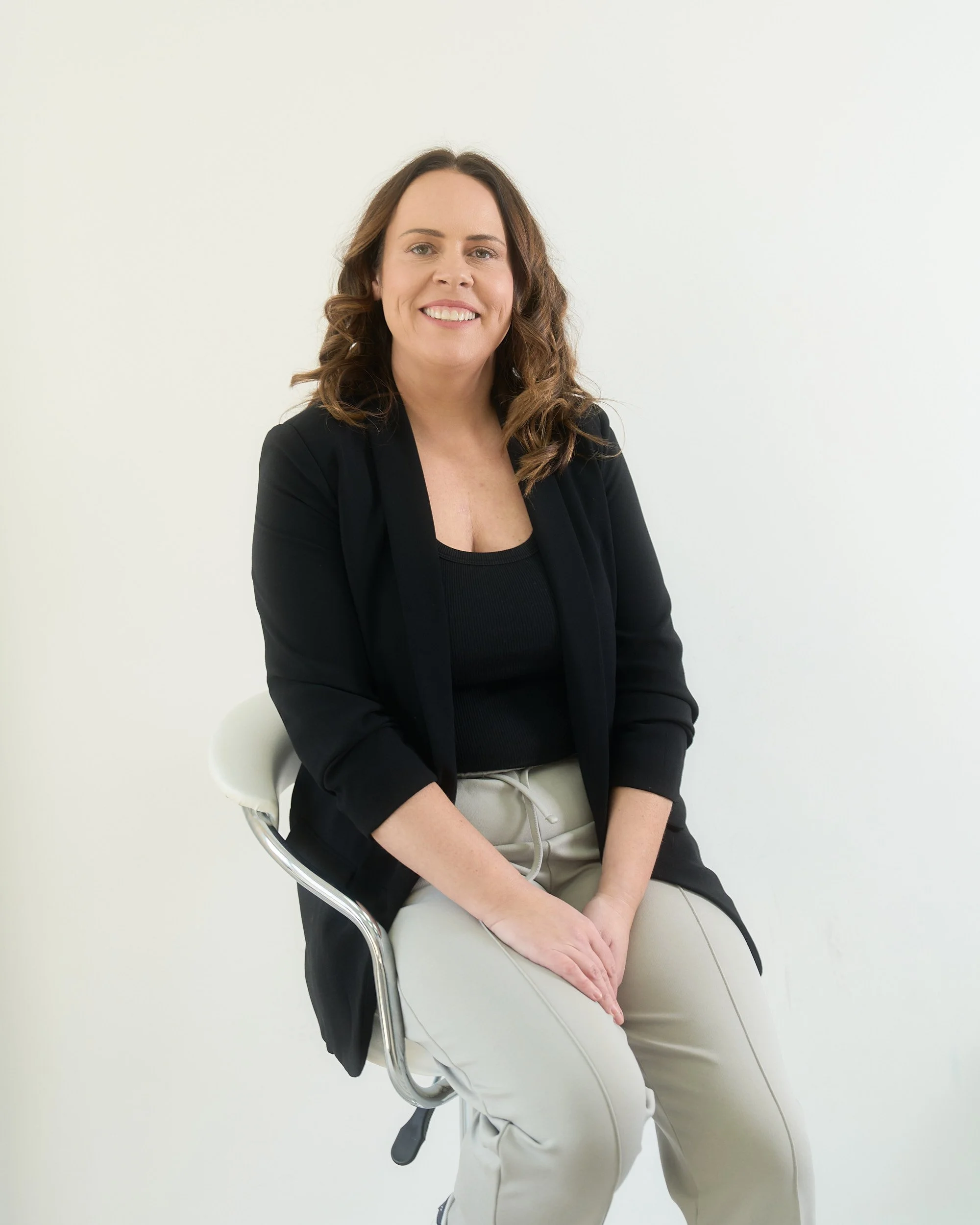
leadership portraits
staff headshots
team photographs
people working
meetings and collaboration
office interiors
branded details
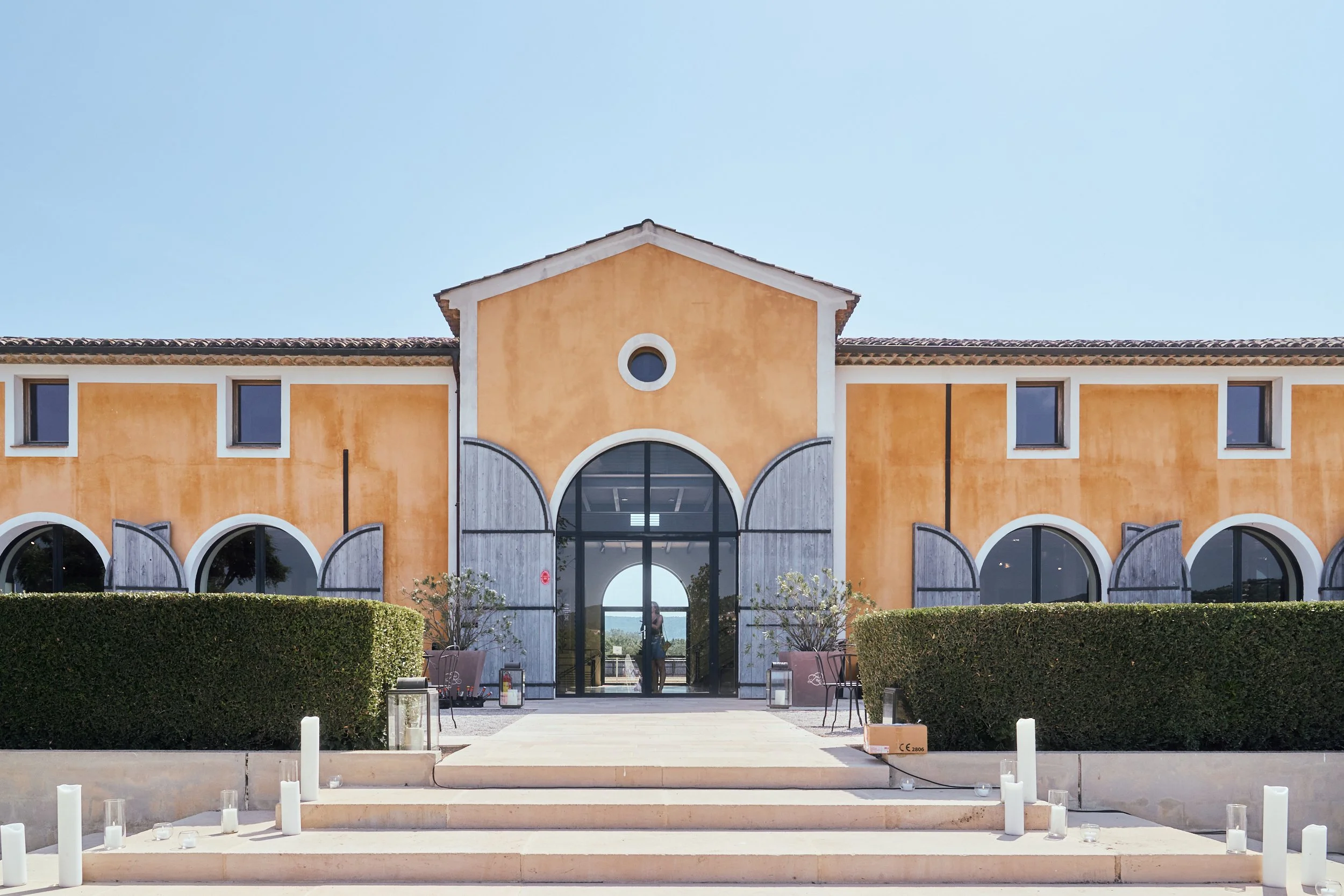
exterior photographs
products or services
customer interaction
environmental portraits
general workplace imagery
That gives us structure while still leaving room to react to what is happening on the day. Some of the strongest photographs often come from moments that could not have been planned exactly beforehand. The important thing is making sure the essential content has been covered first.
Think about how the images will be cropped
This is one of the things businesses often do not think about until after the shoot.
The same photograph may need to appear as:
a wide website banner
a square social media image
a vertical story
a LinkedIn post
a brochure spread
a presentation slide
Those are very different formats. If I know how the images are likely to be used, I can create variations during the shoot. That might mean photographing the same setup both vertically and horizontally, leaving additional space around the subject or intentionally placing someone to one side of the frame so the marketing team has room for copy.
Thinking about this at the photography stage is much better than trying to force an unsuitable image into a completely different layout afterwards.
Organise staff before the day
When people are involved, scheduling becomes one of the biggest parts of the shoot. This is particularly important for company headshots or larger workplace photography days. If twenty or thirty people need to be photographed, they do not all need to be standing around waiting. A simple schedule can allow staff to arrive in small groups or at allocated times. For broader corporate photography, it is also worth identifying the people who absolutely need to appear. Senior team members may have limited availability, so it often makes sense to photograph them first or build the schedule around their diary. Good planning reduces disruption to the business and means I can spend more time photographing rather than trying to track people down.
Decide who can approve things on the day
This is particularly useful on larger commercial shoots. There should ideally be somebody available who understands the brief and can make decisions. That person does not need to stand next to the camera for the entire day. But if there is a question about branding, styling, a particular location or whether something accurately represents the business, it helps enormously to have someone who can give a clear answer. This avoids situations where photographs are produced only for another stakeholder to discover afterwards that something was not quite right.
Prepare the location
The space does not need to be transformed into a studio before I arrive, but some preparation can make a big difference.
For office or workplace photography, that might mean:
clearing unnecessary clutter
removing bins
tidying cables
making meeting rooms presentable
checking branded materials
ensuring important areas are accessible
deciding which spaces should and should not be photographed
Small distractions tend to become much more obvious in a photograph than they are in everyday life. At the same time, I do not generally want a workplace to feel unnaturally perfect. The aim is usually to make it feel polished and considered while still looking like a real working environment.
Think about clothing
For corporate portraits and team photography, clothing can affect how consistent the final images feel. That does not necessarily mean everyone needs to dress identically.
It is more about making sure what people wear suits the business and the style of imagery being created. If a company has a very specific visual identity, it can be useful to give staff some simple guidance beforehand. For example, avoiding large logos, very busy patterns or colours that clash heavily with the location. For some businesses, the opposite is true and individuality is part of the brand. Again, there is no one-size-fits-all answer. The photography should feel appropriate to the company.
A recce can be worth doing
Not every corporate photography job needs a location recce. For a straightforward headshot setup in a large office, photographs or a quick video of the space may be enough. For more involved commercial shoots, I often find a recce worthwhile.
It allows me to look at:
available space
natural light
power
backgrounds
access
potential camera positions
where equipment can be set up
how people or products will move through the space
It also gives us a chance to spot potential problems before the actual shoot day. The result is usually a much more efficient setup and fewer surprises.
Let the photographer know about access and restrictions
Commercial locations often have practical considerations that are easy to overlook.
That might include:
parking
loading access
security
visitor passes
restricted areas
health and safety requirements
PPE
confidential material
customers or members of the public
working around production or operational teams
Knowing these things beforehand allows me to plan equipment and timings properly. If I am bringing lighting, stands, cameras and cases into a large site, knowing where I can unload makes a surprisingly big difference.
Be clear about image delivery
It is worth agreeing delivery expectations before the shoot.
Questions to consider include:
When do you need the finished photographs?
Are any images required urgently?
Does your PR team need selects on the same day?
Do you need high-resolution and web-ready versions?
Will other agencies need access to the gallery?
Do you require specific file naming?
Will images need to be supplied in different crops?
For most projects, I deliver a complete edited gallery after the shoot. For events, campaigns or PR-led work, there may also be a requirement for a smaller set of images very quickly. If I know that beforehand, I can build it into the workflow.
Usage is worth discussing early
Commercial photography is created to be used. That sounds obvious, but where and how the images will appear is an important part of a commercial brief.
There is a difference between photography being used organically on a company's website and social channels and imagery being used for a major paid advertising campaign.
It is worth being open about intended usage at the quotation stage. That means there are no surprises later and the photography can be priced appropriately for the scope of the project. It also gives me a better understanding of how important particular images may become to the wider campaign.
Good corporate photography is collaborative
The strongest commercial shoots usually come from a combination of the client's knowledge and the photographer's experience. You understand your business, your customers and what you are trying to communicate. I understand how to turn that into photographs. You do not need to know what lens should be used, where the lighting needs to go or exactly how every frame should be composed. That is my part of the job. What helps most is being clear about the business objective and being open about what you do and do not know.
From there, I can help guide the process.



Corporate photography in Liverpool and across the UK
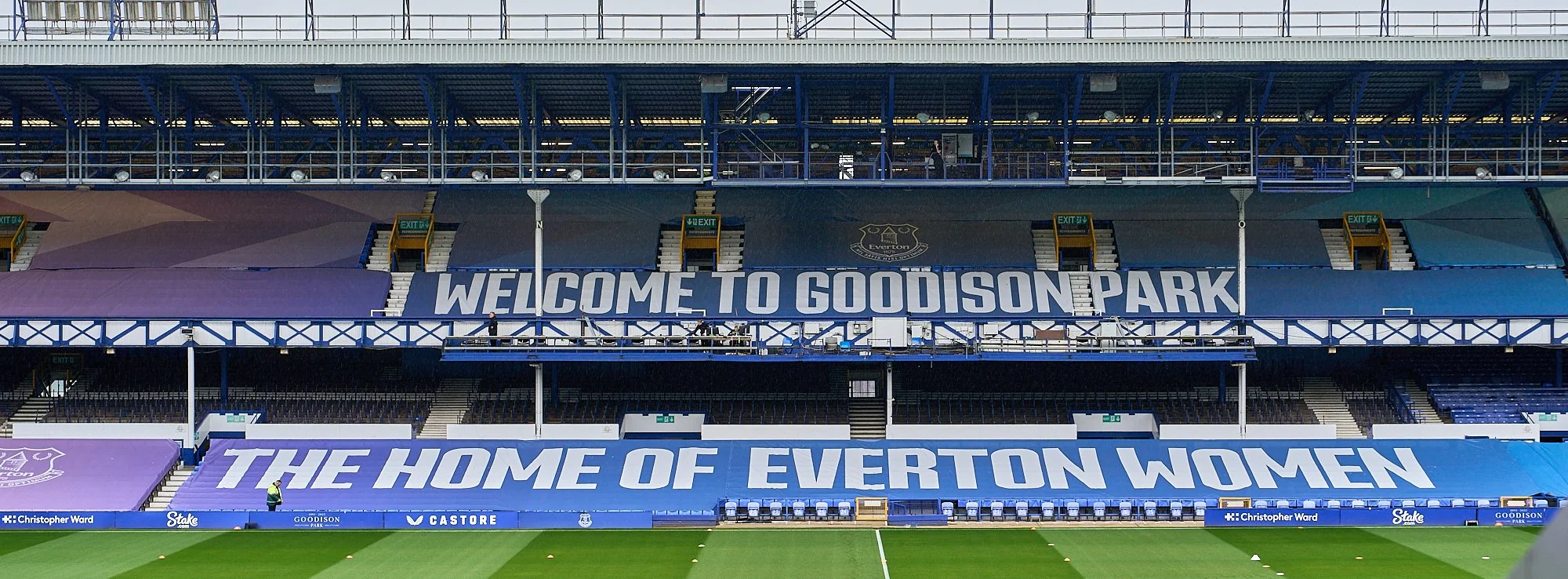
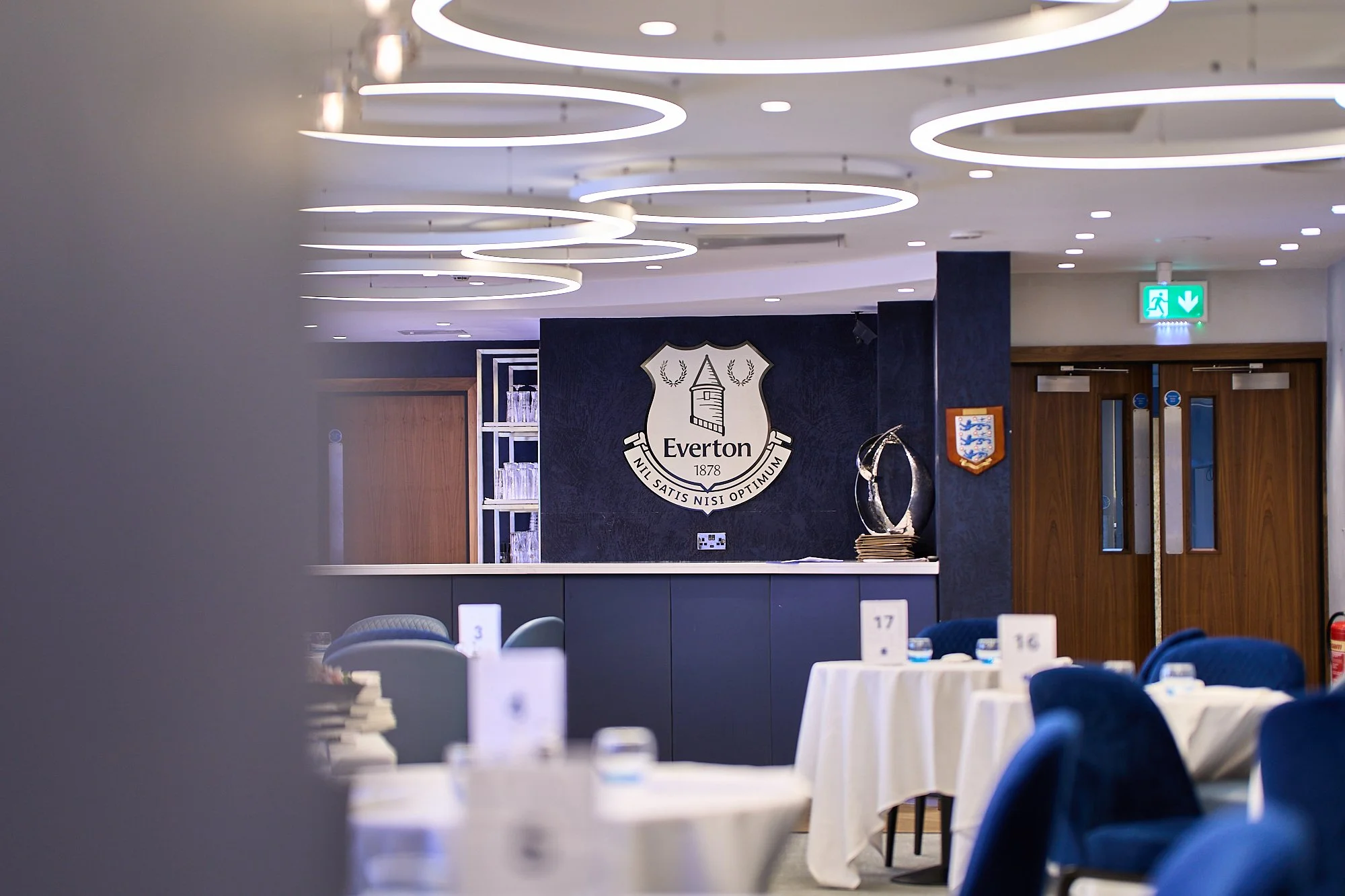
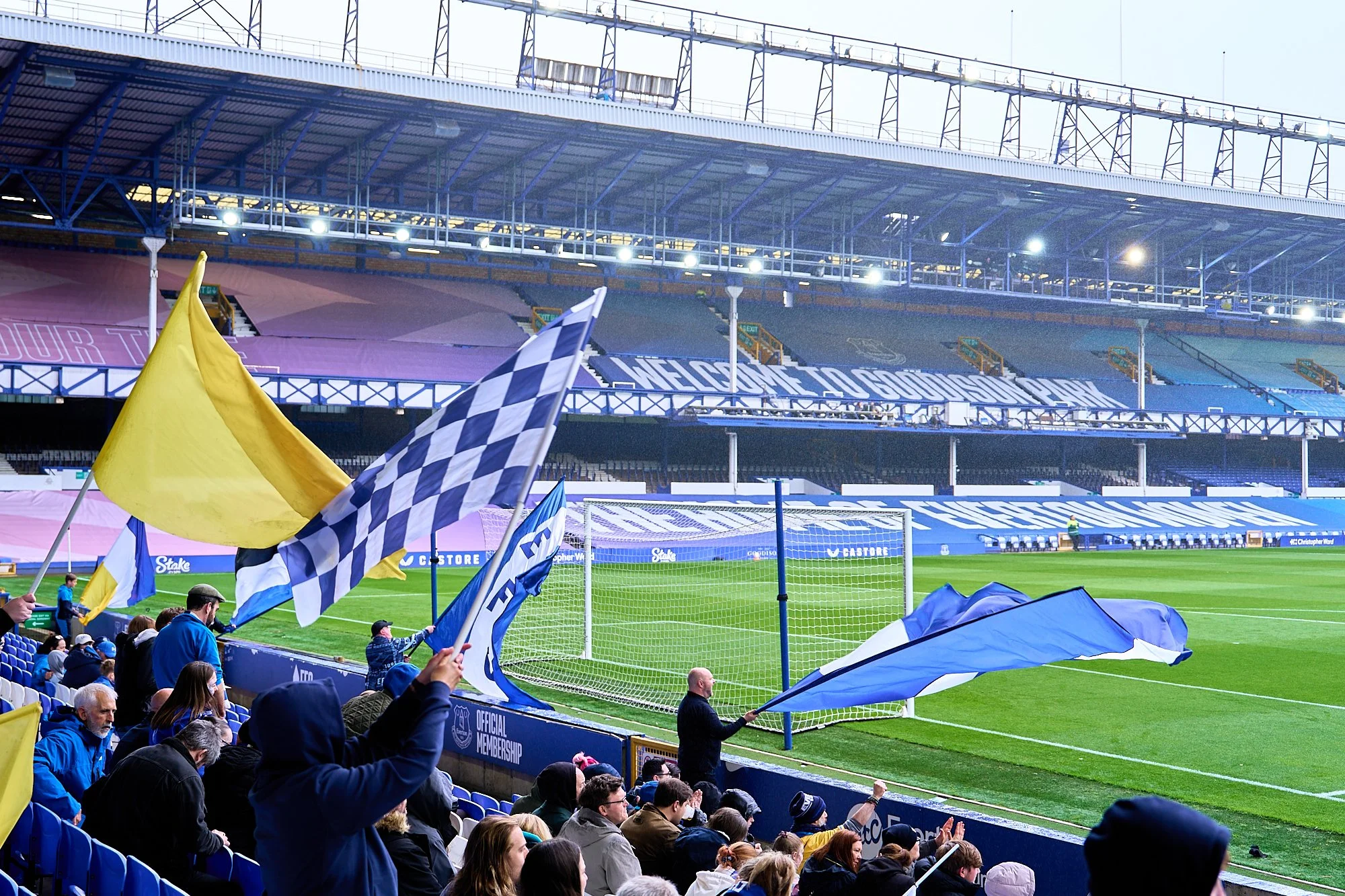
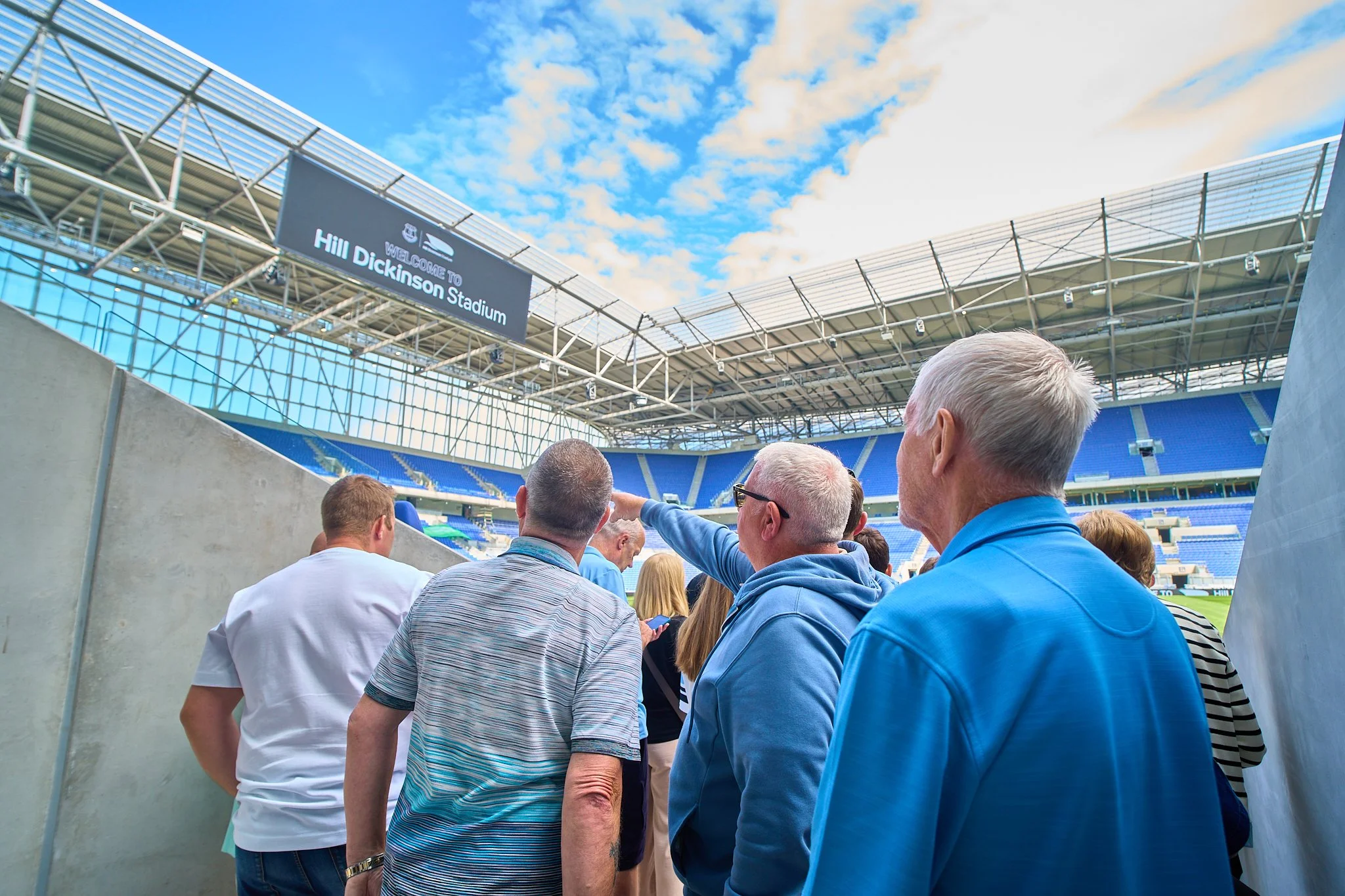
I work with businesses, organisations, agencies and venues across Liverpool and throughout the UK, creating commercial photography for websites, campaigns, events, marketing and internal communications. That includes corporate headshots, workplace photography, event photography, food and hospitality photography, interiors and wider commercial campaigns. Some clients come to me with a complete creative brief. Others come with an idea and need help working out the rest. Both are absolutely fine.
Planning a corporate photography shoot? Send over what you know so far — the location, what the business needs the images for and roughly what you would like photographed — and I can help shape the shoot from there.